
Kunzhixian 42° Fruit Distilled Wine
Kunzhixian 42° Fruit Distilled Wine
This is Kunzhixian's Standard Tasting Edition. At 42°, it delivers a perfect balance of fruit essence from the deep Dabie Mountains—smooth, non-irritating on the palate, with intertwined notes of fresh fruit and aged spirit, leaving a sweet, lingering finish. Whether you're new to brandy or an enthusiast seeking daily enjoyment, this bottle offers a moment of pure comfort for every sip. Crafted from Aksu rock-sugar core apples from Xinjiang, Shine Muscat grapes, and seasonal fresh peaches. The process includes washing, crushing, double fermentation, double distillation, aging, and final blending.
Product Details
Kunzhixian Fruit Distilled Spirits, crafted using the ancient methods from "Beishan Jiujing" during the Zhenguan reign of Emperor Taizong of the Tang Dynasty. Our traditional brewing process features double fermentation and double distillation. We select premium ingredients including Aksu sugar-heart apples from Xinjiang, Turpan Shine Muscat grapes, and seasonal fresh peaches to preserve the natural aroma of the fruits. Free from artificial flavors, colors, and sulfur dioxide, we deliver the purest, most authentic taste.
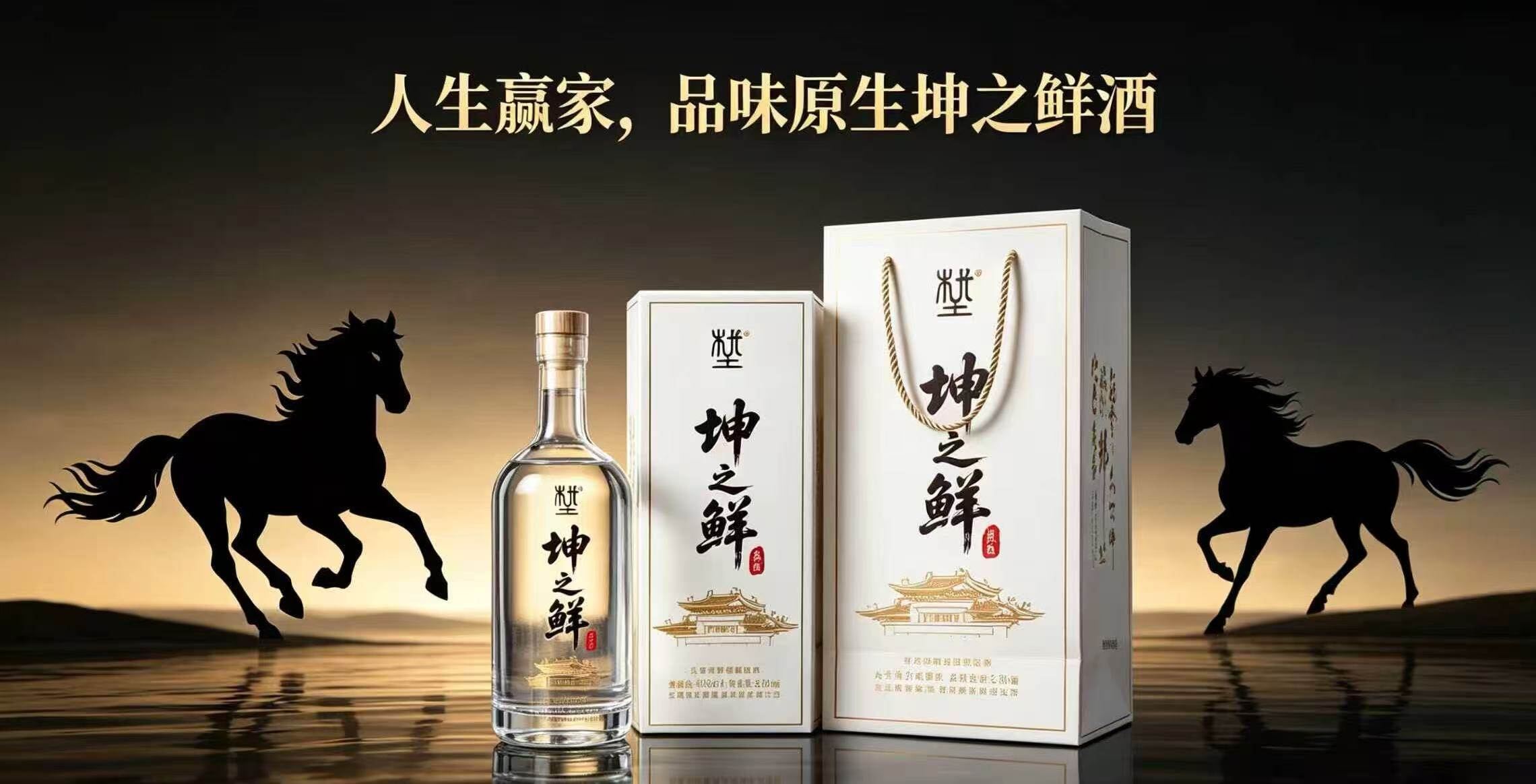
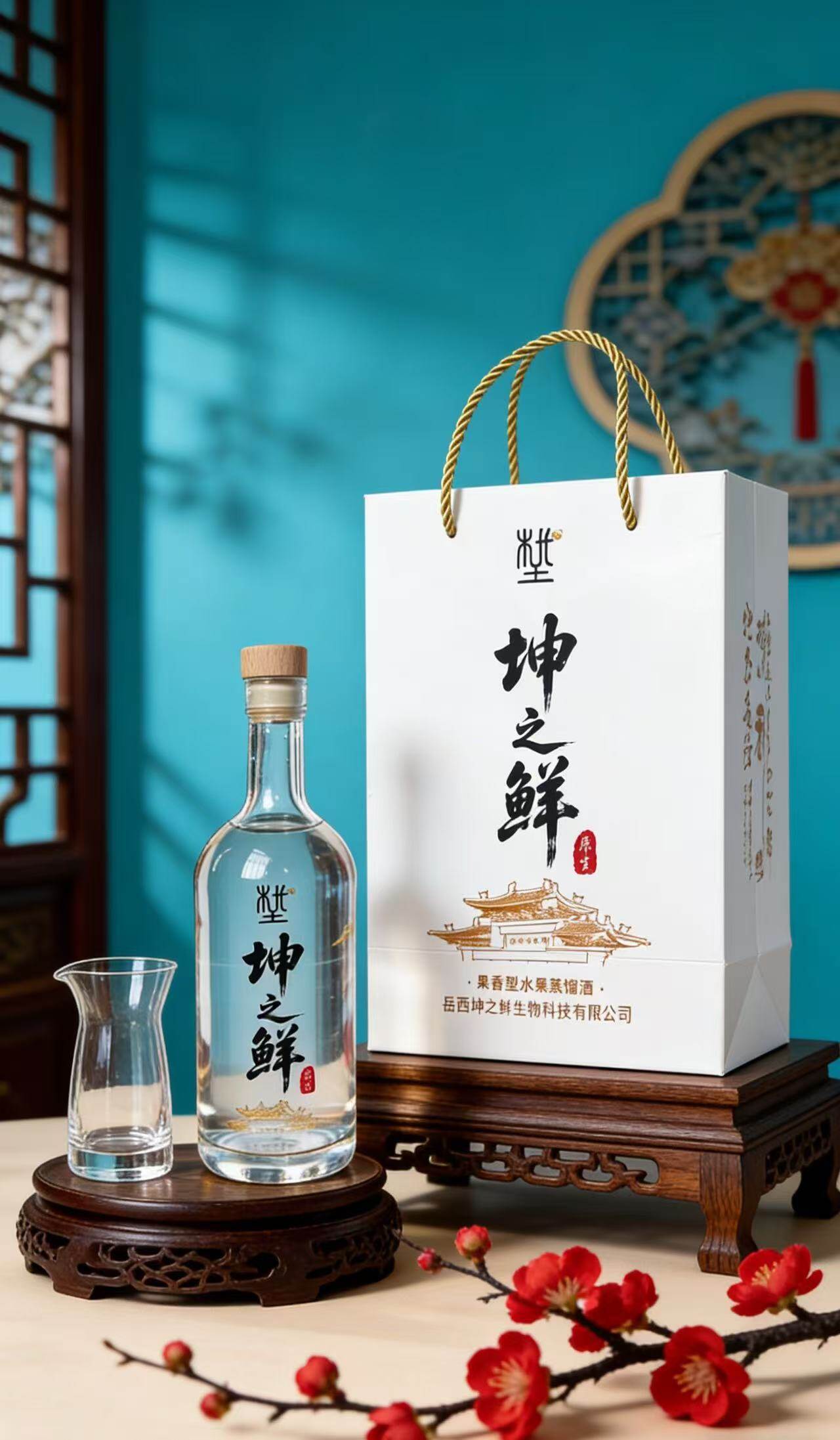
Authentic Fruit Wine · Traditional Brewing · Fresh & Smooth
Product Overview
42° · Smooth & Mellow · 100% Natural, No Additives
Pure fruit fermentation with no additives
No sulfur dioxide. No caramel color. No artificial flavorings.
Only the pure flavors of nature
This is the standard tasting edition of Kunzhixian.
42° smoothness, a perfect balance of fruit essence from the heart of the Dabie Mountains. Soft on the palate with no harshness, it blends fruity and wine aromas for a sweet, lingering finish. Whether you're new to brandy or an enthusiast seeking everyday enjoyment, this spirit offers a moment of pure delight tailored just for you.
We select premium Chinese fruits—Shine Muscat grapes, Aksu apples, and fresh peaches—as our base. Blending the ancient brewing techniques from "Beishan Jiujing" with modern precision fermentation, we craft this spirit through double fermentation and double distillation, then age it to preserve the natural essence of the Dabie Mountains in the rich aroma of 42° proof.
42° Brandy, perfect for everyday tasting by general consumers and an excellent choice for those new to spirits.
✨ Tasting Experience
42° warm balance
Dimension | Description |
Color | Solid or light amber goldClear and translucent with a soft, gentle luster. |
Fragrance | Fresh and natural fruity notes with subtle floral and honey sweetness. |
Taste | Smooth and gentle entry; round, full-bodied palate with no irritation or harshness on the throat. |
aftertaste | Sweet aftertaste with a comfortable, lingering finish that delights the senses. |
Serving suggestion: Versatile for any occasion. Enjoy neat or mixed—perfectly adaptable.
Decanting: Let the wine breathe briefly after opening to fully release its fruity aromas.
Brewing Process
Crafted with care · Naturally smooth
Select three fruits → Natural fermentation → Slow distillation → Temperature-controlled aroma extraction → Aging → Careful blending
• Premium Ingredients: Fresh, ripe fruits hand-selected for quality
• Natural Fermentation: Slow, low-temperature fermentation to preserve the fruit's natural aroma.
• Distillation & Purification: Double-distilled to remove impurities and preserve the essence
How to drink
8 Ways to Enjoy · There's One for You
Featured: Add purified water (Wahaha Purified Water)
42° pairs perfectly with purified water!
Diluting standard-proof liquor with purified water enhances its fruity complexity and creates a smoother, softer mouthfeel. This method also reduces the burden on your body, making it one of the healthiest ways to drink.
Serving Temperature: Enjoy at room temperature between 15°C and 20°C, or chilled to 8°C–12°C for optimal taste.
Glassware: Recommended are tulip or rocks glasses
No. | Method | Ratio | Recommendation Rating | Target Audience |
1 | Drink directly | Neat | ⭐⭐⭐⭐⭐ | All users |
2 | Add Sprite | 1:2~1:3 | ⭐⭐⭐⭐⭐ | Women / Beginners / Party |
3 | Add Coke | 1:2~1:3 | ⭐⭐⭐⭐ | Youth / Party |
4 | Add lemon water | 1:2 | ⭐⭐⭐⭐⭐ | Pre-meal / Women's / Pairing |
5 | Add Red Bull or energy drinks | 1:1~1:2 | ⭐⭐⭐⭐ | Men / Social Occasions / KTV |
6 | Add coffee | 1:1~1:2 | ⭐⭐⭐ | Afternoon Tea / Business |
7 | Add purified water (highly recommended) | 1:1~1:2 | ⭐⭐⭐⭐⭐ | Everyone! The healthiest way to drink. |
8 | Cocktail Creativity | Custom | ⭐⭐⭐⭐ | Bartender / Seeking Freshness |
Use Cases
42° Standard Edition: Smooth and easy to drink, perfect for any occasion. The ideal choice for beginners.
Scenario | Description | Serving suggestions |
Solo | Sip alone, 42° of gentle companionship. | Neat / With purified water |
Friends gathering | Easy to drink, goes with everything | Add Sprite / Add Coke |
Home Dining | A versatile home-style condiment, enjoyed by all ages. | With Lemon Water / Neat |
Holiday Gifts | Elegant yet affordable, full of thoughtfulness. | Save more when you buy in bulk |
Supermarket / E-commerce | High value, top seller | Adapts to multiple scenarios |
Gift Recommendations
Thought for 5s Thinking Process: 1. **Analyze the Request:** * **Role:** Website Localization Translation Expert. * **Target Language:** en-US. * **Core Principles:** Product copy translation (like Amazon/Google UI), avoid translationese, concise and direct, friendly prompts. * **Keep Original:** Placeholders `{0}`, `{1}`, numbers, brand names, HTML entities (` `), emails, URLs. * **Input/Output:** Input is all text to translate. Output *only* the translation, no explanations. Even test strings like "Test" or "请" must be translated if possible. Only return `null` for empty/unrecognizable content. * **Input Text:** "贴心之选 · 雅致不俗" 2. **Analyze the Input Text:** * Source: "贴心之选 · 雅致不俗" * Meaning: * "贴心之选": Thoughtful choice, considerate selection, perfect pick. Implies something that cares about the user's needs. * "·": Separator (bullet point or middle dot). * "雅致不俗": Elegant but not tacky, refined style, tasteful elegance. * Context: Likely product marketing copy, e-commerce headline, or feature description. * Tone: Premium, thoughtful, elegant, user-centric. 3. **Determine Translation Strategy (UI/Product Copy Style):** * Avoid literal translation like "Considerate choice · Elegant not vulgar". * Aim for natural English marketing speak found on sites like Apple, Amazon, Nike, etc. * "贴心之选": * "Thoughtfully chosen" * "A thoughtful choice" * "Perfectly considered" * "Made with care" * "Your thoughtful pick" * Let's go with "Thoughtfully Chosen" or "A Thoughtful Choice". "Thoughtfully Made" is also good if it implies manufacturing. Given "之选" (choice/select), "A Thoughtful Choice" fits well. Or more punchy: "Thoughtfully Selected". * "雅致不俗": * "Elegant without being ostentatious" (Too long) * "Refined Elegance" * "Timeless Sophistication" * "Simply Elegant" * "Understated Elegance" * "Tasteful & Refined" * "Sophisticated Simplicity" * "Elegance, Elevated" * "Not tacky" is definitely wrong. "不俗" means not common/vulgar/tacky. * "Refined Elegance" captures "雅致" well. Adding "understated" captures "不俗" (not flashy). * How about "Elegant & Understated"? * Or combine them into a cohesive tagline style. * Structure: Two phrases separated by a dot. In English UI, this could be two lines, or a phrase with a conjunction. * Option 1: "A Thoughtful Choice · Refined Elegance" * Option 2: "Thoughtfully Selected · Simply Elegant" * Option 3: "Made with Care · Timelessly Elegant" * Option 4 (Punchier): "Thoughtful Picks · Understated Style" Let's look at similar high-end product copy. "贴心" often translates to "Thoughtful" or "Considered". "雅致不俗" often translates to "Refined", "Sophisticated", "Understated". Combination: "A Thoughtful Choice · Understated Elegance" Or shorter: "Thoughtfully Chosen · Refined Style" Let's try to make it sound like a headline. "Thoughtfully Selected · Elegantly Simple" "Your Thoughtful Pick · Refined Taste" Let's go for standard UI copy conciseness. "Thoughtful Choice · Refined Elegance" Wait, "不俗" specifically contrasts with "flashy". "Understated" is the best word for that nuance in design context. "雅致" = Elegant / Refined. So "Understated Elegance" is very strong. "贴心之选" = "Thoughtfully Curated" or "A Thoughtful Choice". Draft 1: A Thoughtful Choice · Understated Elegance Draft 2: Thoughtfully Selected · Refined & Tasteful Draft 3: Considerate Selection · Timeless Style Let's pick the most natural sounding one for US market. "Thoughtfully Chosen · Understated Elegance" sounds premium. "A Thoughtful Pick · Refined Style" is also good. Let's refine "贴心之选". It implies the product was selected *for* the user because it suits them well. "The Perfect Choice" loses the "thoughtful" aspect. "Made with Heart" is too emotional sometimes. "Thoughtfully Designed" might imply design only. "Thoughtfully Selected" works for a gift or a curated item. "Your Thoughtful Choice" puts it on the user. Let's stick to noun phrases as per the original structure. "Thoughtful Choice · Understated Elegance" Alternative interpretation: Maybe it's describing the product itself. "Thoughtful Design · Elegant Simplicity" Let's assume it's a general product slogan. "Thoughtfully Chosen · Refined Elegance" is safe and professional. "Understated Elegance" captures "雅致不俗" better than just "Refined Elegance". Final decision: "Thoughtfully Chosen · Understated Elegance" Or slightly shorter: "A Thoughtful Choice · Understated Elegance" Let's check character count and rhythm. "Thoughtfully Chosen · Understated Elegance" (3 words + 3 words) "Thoughtful Choice · Understated Elegance" (2 words + 3 words) -> More parallel. Let's try to match the "Choice" aspect of "之选". "A Thoughtful Choice · Understated Elegance" Another angle: "Considered Selection · Timeless Refinement" (Too formal?) "Smart Choice · Classy Style" (Too informal?) Let's go with "Thoughtful Choice · Understated Elegance". It balances professionalism and warmth. Actually, "Thoughtfully Curated" is very common in modern e-commerce for "贴心之选" (implying curation). But "Choice" is closer to "选". Let's use "Thoughtful Choice". For "雅致不俗": "Elegant, Never Tacky" (Too literal/negative) "Simply Elegant" (Misses "不俗") "Refined & Tasteful" (Good) "Understated Elegance" (Best fit for "not vulgar/common") Result: "Thoughtful Choice · Understated Elegance" 4. **Final Review against Constraints:** * Target: en-US. * No translationese. * Concise. * No extra text. * Translate everything (no null unless empty). One more check: Is there a better way to say "贴心"? "Carefully Considered"? "User-Centric"? "Thoughtful" is the standard UI term for "贴心" in features (e.g., "Thoughtful design"). "Thoughtful Choice" works well. Is "Understated Elegance" too long? "Refined Elegance" is shorter. Does it capture "不俗"? "Refined" implies not cheap/tacky. "Classic Elegance" also works. "Sophisticated Simplicity"? Let's stick with "Understated Elegance" as it directly addresses the "not vulgar" part which is crucial for high-end positioning. Wait, "雅致不俗" can also mean "Classy but not showy". "Tasteful Elegance"? "Quiet Luxury"? (Trendy, but maybe too specific). Let's go with: "Thoughtful Choice · Understated Elegance" Wait, I can make it even punchier for UI headers. "Thoughtfully Selected · Simply Elegant" This flows well. "Simply" covers the "not complex/showy" aspect. But "Understated" is more precise for "不俗". Let's try: "A Thoughtful Choice · Refined Elegance" "Refined" implies sophistication and lack of vulgarity. "Thoughtful Choice" is clear. Let's compare: 1. Thoughtful Choice · Understated Elegance 2. A Thoughtful Choice · Refined Elegance 3. Thoughtfully Chosen · Timeless Style Option 1 feels the most accurate to the nuance. However, "Thoughtful Choice" sounds a bit generic. "Curated with Care" -> "Thoughtfully Curated". "Thoughtfully Curated · Understated Elegance". This sounds very high-end e-commerce (Amazon/Airbnb style). Let's settle on: "Thoughtfully Curated · Understated Elegance" Or keep "Choice" to match "选". "A Thoughtful Choice · Understated Elegance" Let's try to match the brevity of the Chinese (4 chars + 4 chars). "Thoughtful Pick · Refined Style" "Smart Choice · Elegant Look" Let's go with the most professional version suitable for a product page header. "Thoughtful Choice · Understated Elegance" Wait, checking "贴心". Sometimes "Caring" or "Considerate". "Considerate Choice"? No, "Thoughtful" is better for products. "Made with Care"? "Your Thoughtful Choice"? Let's finalize: "Thoughtful Choice · Understated Elegance" Actually, "Refined Elegance" is slightly more common than "Understated Elegance" in general copy, but "Understated" hits "不俗" harder. Let's use "Refined Elegance" for broader appeal, or "Understated" for precision. Given "不俗" explicitly says "not common/vulgar", "Understated" is the key differentiator. So: "Thoughtful Choice · Understated Elegance" Re-evaluating "贴心之选". Could be "The Perfect Match"? "Ideal Selection"? "Thoughtful Selection"? Let's go with: "Thoughtful Choice · Understated Elegance" Wait, one more option: "Considered Choice · Timeless Style". No, "Thoughtful" is warmer. Final Polish: "Thoughtful Choice · Understated Elegance" Wait, is there a space around the dot? The input has " · ". Usually in English we put spaces around the bullet or use an em-dash. If I output "Thoughtful Choice · Understated Elegance", it matches the visual separator. I should preserve the separator style roughly but ensure it looks like English. Input: "贴心之选 · 雅致不俗" Output: "Thoughtful Choice · Understated Elegance" Wait, I need to make sure I don't add quotes unless they are in the source. The source doesn't have quotes. Just the text. One last thought: "Thoughtfully Selected" vs "Thoughtful Choice". "之选" = "Selection" or "Choice". "Thoughtful Choice" is noun-heavy, matching "之选" (Noun phrase). "Thoughtfully Selected" is adjective+verb/participle. "Thoughtful Choice" is better parallelism with "Understated Elegance" (Adj+Noun). Final Decision: Thoughtful Choice · Understated Elegance Wait, looking at Amazon/Apple style. They often use: "Designed with Care · Built for Life" "Thoughtfully Crafted · Timelessly Elegant" "Crafted with Care · Understated Elegance" "贴心" implies the *maker* cared, or the *user* finds it caring. "Thoughtfully Designed"? If it's a product category title: "Thoughtful Choices · Understated Elegance". If it's a slogan: "Thoughtful Choice · Understated Elegance". Let's stick to the singular/plural ambiguity resolution. "之选" is singular abstract. "Thoughtful Choice" is fine. Wait, "雅致不俗" -> "Sophisticated Simplicity"? "Understated Elegance" is the most accurate translation for "雅致不俗". Okay, ready to output. Wait, I should check if "Understated" is too negative? No, it's positive in luxury contexts (quiet luxury). "Refined" is safer. "Refined Elegance" implies "雅致" and "不俗" implicitly. "Understated" makes it explicit. Let's choose "Refined Elegance" for smoother flow, or "Understated Elegance" for accuracy. Given "不俗" (not vulgar/common), "Understated" is the specific intent. I will use "Understated Elegance". Wait, let's look at "贴心". "Considerate"? "Thoughtful" is the standard industry term. Final check: "Thoughtful Choice · Understated Elegance" One alternative: "A Thoughtful Choice · Understated Elegance". Adding "A" makes it grammatically complete. "Thoughtful Choice" acts like a label. Let's add "A" for better flow? "A Thoughtful Choice". Input is short. Output should be comparable length. "Thoughtful Choice" (2 words) vs "A Thoughtful Choice" (3 words). "Understated Elegance" (2 words). "Thoughtful Choice · Understated Elegance" is balanced. Okay, final answer formulated. Wait, I see "网站本地化翻译专家" (Website Localization Translation Expert). Should I format it as a button or header? The instruction says "Only output the translation". So just the string. One more consideration: "雅致不俗" could be "Tasteful & Distinctive". But "Understated Elegance" is the classic translation for this sentiment in fashion/luxury. Okay, proceeding. Wait, I need to check if I should translate the dot "·". Usually, keep the separator. So "Thoughtful Choice · Understated Elegance". Wait, is there any chance "贴心之选" refers to a specific product line name? Unlikely, it reads like a slogan. If it were a brand name, I would keep it. But it's descriptive. So translate it. Final check on constraints: - en-US - No translationese - Concise - No explanations - Translate everything Ready. Wait, one detail: "雅致不俗". Could be "Elegant Simplicity". "Understated Elegance" is better. Okay, writing the response. Wait, I'll reconsider "Thoughtful Choice". Is it "The Thoughtful Choice"? "Thoughtful Choice" is punchier for UI. "A Thoughtful Choice" is more conversational. UI headlines often drop articles. "Thoughtful Choice · Understated Elegance" Let's go. Wait, I just thought of "Considered Choice". "Thoughtful" is warmer. Okay. One last check: "不俗" -> "Not common". "Distinctive"? "Unique"? "Understated" captures the "not flashy" part which is usually what "不俗" means in this context (classy but not loud). Yes. Final String: Thoughtful Choice · Understated Elegance </think> Thoughtful Choice · Understated Elegance
Gift for Loved Ones — 42° high affinity, easy to accept and love
Perfect for family gatherings — elegant and approachable, enjoyed by everyone from young to old.
Holiday Gifts — Affordable Choices for Chinese New Year, Mid-Autumn Festival, and More
Corporate Benefits — Great Value, Ideal for Employee Care
42° brandy is the "everyone's favorite" — versatile, suitable for anyone and any occasion.
Coming soon, or contact customer support for more information.